
A new US refugee policy prioritizing white Afrikaners has sparked sharp debate across South Africa. Many white farmers believe they are being targeted and see America as a safe haven, while others argue that violent crime affects all races equally. This report explores the motivations behind refugee applications, South Africa’s crime crisis, and the political narrative surrounding alleged persecution.
Zelensky Arrives in London for High-Level Peace Talks with Key European Leaders↗
Afrikaner Farmers Seeking Refuge in the US
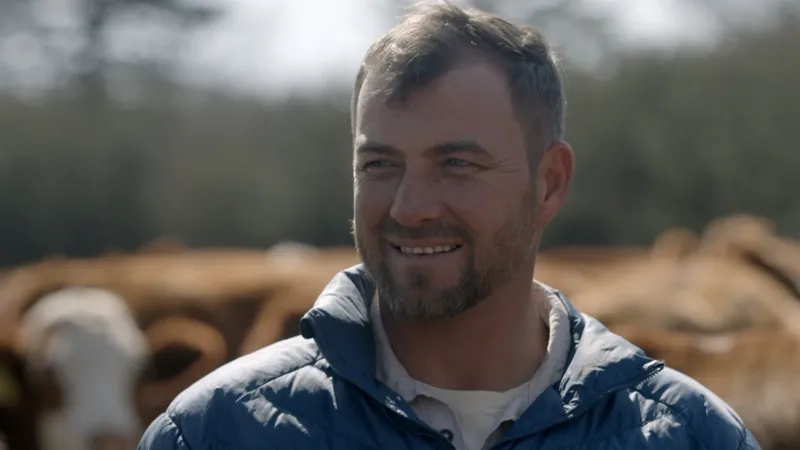
In the Free State, Marthinus, a farmer who lives behind 13-foot electric gates topped with spikes and surveillance cameras, says life feels like a prison. His fear is rooted in family history: both his grandfather and his wife’s grandfather were murdered in farm attacks. Living two hours from where farm manager Brendan Horner was killed, he refuses to take chances with his wife and two daughters. In February, they applied for refugee status in the US. He believes Afrikaners are an “endangered species” and says he is willing to leave his entire life behind to keep his family safe.
US Refugee Policy and Controversy
Earlier this year, President Donald Trump signed an executive order prioritizing Afrikaner South Africans and people facing “unjust discrimination.” This came even as the US reduced its overall refugee intake from 125,000 to 7,500. Reports estimate thousands of Afrikaners have begun applying, though official figures are undisclosed. For many, like Marthinus, the policy represents a lifeline.
South Africa’s Crime Crisis Affects All Races
South Africa recorded an average of 63 murders per day in early 2025. Despite a slight decrease from 2024, the homicide rate remains among the world’s highest. Crime impacts black farmers as well. Near Ficksburg, farmer Thabo Makopo says armed attackers threaten livestock regardless of the owner’s race. He believes all farmers—black and white—live under constant danger. With slow police response times, South Africans have become heavily reliant on private security. With over 630,000 active guards, the private security sector is larger than the police and army combined.
Disputing Claims of “White Genocide”
Some white farmers strongly reject the idea that violence is racially targeted. Morgan Barrett, a sixth-generation farmer, conducts nightly patrols to protect his land but insists criminals attack for profit—“not because of skin color.” Official statistics support this. Police Minister Senzo Mchunu reported that from October 2024 to March 2025, 18 farm murders occurred nationwide: 16 victims were black and 2 were white. These figures contradict claims of racial persecution promoted by figures such as Donald Trump and Elon Musk.
Historical Inequality and Land Ownership
South Africa’s apartheid history continues to shape land ownership and economic inequality. Even as Afrikaners fear for their safety, they retain 72% of private farmland despite constituting just 7.3% of the population. Attempts at land reform, including a new law allowing expropriation without compensation in rare cases, have made limited progress. While white farmers own the majority of farmland, victims of farm attacks span across all racial groups.
Crime Beyond Farmland: Violence in Black Townships
Crime affects everyday citizens as well. In Meqheleng township, Nthabiseng Nthathakana lost her husband, Thembani Ncgango, during a robbery outside their small shop. He was found with gunshot, stab, and blunt-force injuries. With no arrests made, she now struggles to care for their four children. Stories like hers highlight that crime in South Africa is widespread and indiscriminate.
A New Beginning in America
Marthinus and his family recently received confirmation that their refugee application was approved. They are now preparing to leave South Africa, convinced that remaining puts their lives at risk. He believes political motives are behind attacks on white farmers and expresses gratitude for what he sees as divine intervention and a chance at safety.
Conclusion
The US refugee offer for white Afrikaners has reignited debates on race, crime, and inequality in South Africa. While some Afrikaner farmers feel targeted and endangered, official crime data and the experiences of black farmers and township residents indicate a much broader crisis affecting all communities. As thousands seek safety abroad, South Africa continues to grapple with its deep-rooted issues of violence, unequal land distribution, and slow-moving reforms. The divide in perception reflects a nation still struggling with the legacies of its past.
1 thought on “White South Africans Divided Over New US Refugee Offer: Rising Fears and Political Tensions”